Sleep and Healing: Your Body's Nightly Repair Crew
Introduction: The Unsung Hero of Recovery
We often view sleep as a passive state, a mere pause in our busy lives. However, beneath the surface of slumber, our bodies are engaged in a profound and dynamic process of repair, regeneration, and rejuvenation. Far from being inactive, sleep is a vital, active state that plays a critical role in healing, whether it's mending a cut, fighting off an infection, or recovering from a major surgery. Dr. Femi Olulode and the Sleep School are dedicated to illuminating the powerful connection between quality sleep and optimal health, and nowhere is this connection more evident than in the body's remarkable capacity for healing.
The Science of Slumber: How Sleep Fuels Repair
During sleep, our bodies enter a unique physiological state that optimizes various healing processes. This isn't just about resting; it's about active restoration. Several key biological mechanisms are amplified during sleep, making it an indispensable component of recovery.
Wound Healing: Mending from Within
Wound healing is a complex biological process involving inflammation, tissue formation, and remodeling. Research consistently demonstrates that adequate sleep significantly accelerates this process. Studies have shown that individuals with poor sleep quality experience slower wound healing and higher rates of post-surgical complications. This is partly due to sleep's role in regulating hormones and cellular activity crucial for repair. For instance, growth hormone, essential for tissue growth and repair, is predominantly released during deep sleep. Furthermore, skin cells involved in wound repair exhibit increased activity during the day, highlighting the importance of a well-regulated circadian rhythm for efficient healing. Sleep deprivation can also elevate levels of the stress hormone cortisol, which can break down tissues and impede healing.
Tissue Repair and Regeneration: Rebuilding While You Rest
Beyond superficial wounds, sleep is fundamental for the repair and regeneration of tissues throughout the body. From muscle fibers after a strenuous workout to the delicate structures of our internal organs, sleep provides the optimal environment for cellular repair. The restorative theory of sleep posits that sleep allows the body to replenish cellular components necessary for biological functions that become depleted during wakefulness. This includes the proliferation, migration, and differentiation of stem cells, which are the body's master repair cells, a process significantly impacted by sleep. Adequate sleep ensures that these vital rebuilding processes occur efficiently, contributing to overall tissue integrity and function.
Immune Response: Your Nightly Defense System
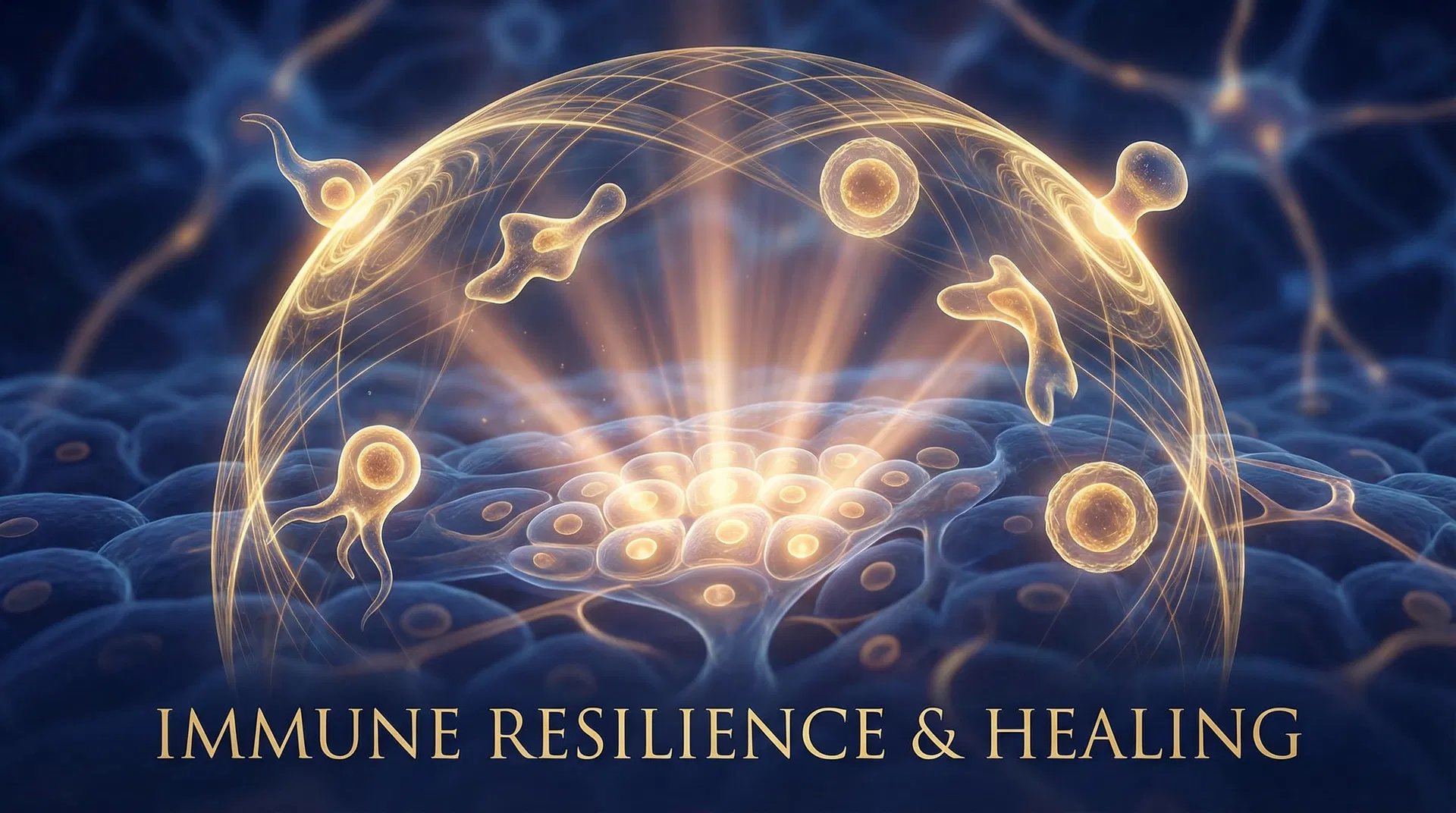
Sleep is a powerful modulator of the immune system, acting as a nightly defense system against pathogens and illness. When we sleep, our immune system releases proteins called cytokines, which are crucial for fighting infection and inflammation. Sleep deprivation, even for a single night, can alter the profile of immune cells and impair the body's ability to mount an effective immune response. Studies have shown that individuals who consistently get less than seven hours of sleep are significantly more likely to develop infections like the common cold. Therefore, prioritizing sleep is not just about feeling rested; it's about bolstering your body's ability to ward off illness and recover more quickly when you do get sick.
Recovery from Illness and Surgery: A Holistic Approach
Whether recovering from a common cold, a severe illness, or a surgical procedure, sleep is a cornerstone of a successful recovery. It reduces inflammation, supports immune function, and facilitates tissue repair, all of which are critical for bouncing back. Post-operative patients, in particular, benefit immensely from quality sleep, as it aids in pain management, reduces stress, and accelerates the healing of surgical incisions. The initial hours of sleep are often the deepest, and it is during this period that the body performs much of its essential tissue growth and repair, allowing for comprehensive healing.
Key Takeaways: Embrace the Power of Sleep for Healing
Sleep is not passive; it's active healing: Your body works tirelessly during sleep to repair, regenerate, and restore.
Prioritize deep sleep: This phase is crucial for the release of growth hormone and optimal tissue repair.
Boost your immunity: Adequate sleep strengthens your immune system, making you more resilient to illness.
Accelerate recovery: Whether from injury, illness, or surgery, sleep is your most potent ally in getting back to full health.
Your Journey to Better Sleep and Healing Starts Here
Understanding the profound impact of sleep on healing is the first step towards a healthier, more resilient you. If you're struggling with sleep, or simply wish to optimize your body's natural healing capabilities, Dr. Femi Olulode and the Sleep School are here to guide you. We offer evidence-based insights and personalized strategies to help you unlock the restorative power of sleep. Don't let poor sleep hinder your recovery or compromise your well-being. Take control of your health today.
Ready to experience the transformative power of quality sleep? Book a consultation with Dr. Femi Olulode at sleepschool.sbs and embark on your journey to optimal healing and vitality.