Waking Up to the Reality of Daytime Somnolence: Causes, Impacts, and Solutions
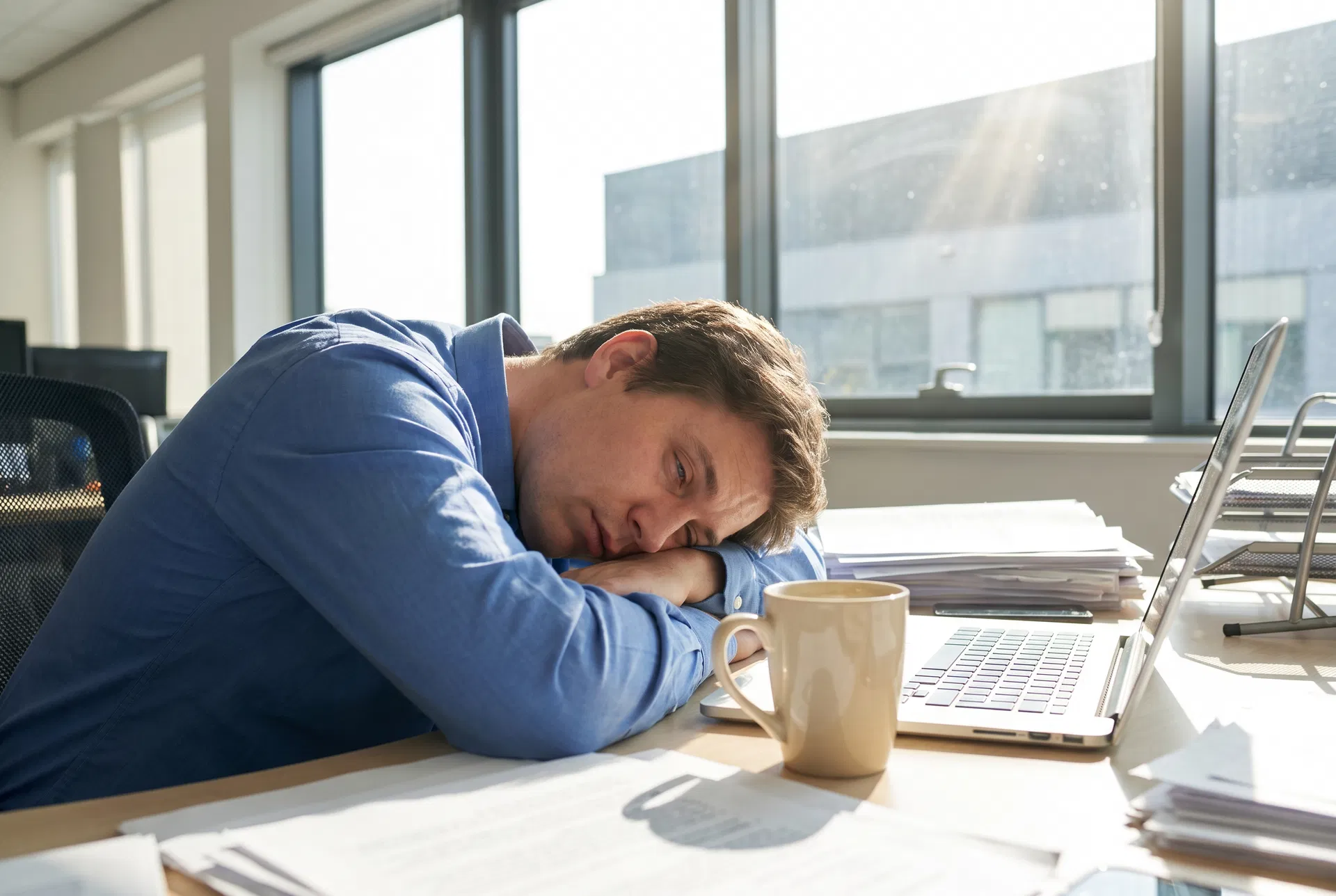
Have you ever found yourself fighting a losing battle against heavy eyelids in the middle of an important afternoon meeting? Or perhaps you have experienced the overwhelming urge to pull your car over just to catch a few minutes of shut-eye during a routine commute. While everyone occasionally feels the afternoon slump or the lingering effects of a late night, there is a profound difference between being simply tired and experiencing excessive daytime sleepiness. Also known as daytime somnolence or hypersomnia, this condition is characterized by an irrepressible need to sleep during waking hours, even after what seems like a full night of rest. For many individuals, this is not merely an inconvenience but a persistent shadow that dims the vibrancy of daily life.
At the Sleep School in Abuja, we understand that sleep is the foundation of good health. Dr. Femi Olulode and our dedicated team frequently encounter patients who feel misunderstood, often labeled as lazy or unmotivated when, in reality, they are battling a legitimate medical condition. Excessive daytime sleepiness is a complex issue that warrants careful attention and compassionate care. By exploring the root causes, understanding its profound impact on daily life, recognizing when it crosses the line into a sleep disorder, and discovering effective management strategies, you can take the first crucial steps toward reclaiming your energy and your life.
Uncovering the Root Causes of Excessive Sleepiness
The journey to overcoming daytime somnolence begins with identifying its underlying causes. The reasons behind this overwhelming exhaustion are as varied as the individuals who experience it, often falling into several distinct categories. One of the most common culprits is simply not getting enough high-quality sleep. In our fast-paced modern world, many people sacrifice sleep to meet the demands of work, family, and social obligations. This chronic sleep deprivation creates a significant sleep debt that the body inevitably attempts to repay during the day. However, even those who spend an adequate number of hours in bed may suffer from poor sleep quality due to frequent awakenings, environmental disturbances, or an uncomfortable sleep setting.
Beyond lifestyle factors, numerous medical conditions can directly contribute to excessive daytime sleepiness. Sleep apnea, a prevalent disorder characterized by repeated pauses in breathing during sleep, severely fragments rest and prevents the restorative stages of sleep from occurring. Other sleep disorders, such as narcolepsy and restless legs syndrome, also play a significant role. Narcolepsy involves a neurological inability to regulate sleep-wake cycles, leading to sudden and uncontrollable sleep attacks. Restless legs syndrome causes an irresistible urge to move the legs, often accompanied by uncomfortable sensations that make falling and staying asleep incredibly difficult.
Furthermore, secondary hypersomnia can arise as a consequence of other health issues or treatments. Mental health conditions, particularly depression and anxiety, are deeply intertwined with sleep patterns and can manifest as profound daytime fatigue. Neurological conditions, head injuries, and even certain viral infections can alter the brain's sleep-regulating mechanisms. Additionally, the side effects of various medications, including sedatives, antihistamines, and some antidepressants, can leave individuals feeling persistently drowsy. Understanding these diverse causes is essential for developing an effective, personalized approach to treatment.
The Profound Impact on Daily Life
Living with excessive daytime sleepiness is akin to navigating through a dense, unyielding fog. The impact extends far beyond the physical sensation of tiredness, permeating every aspect of an individual's daily existence. In the professional realm, daytime somnolence can severely impair cognitive function, leading to difficulties with concentration, memory retention, and decision-making. This cognitive blunting not only reduces productivity but can also jeopardize career advancement and job security. The constant struggle to stay alert during meetings or while completing complex tasks can be incredibly demoralizing, fostering feelings of inadequacy and frustration.
The personal and social consequences are equally significant. Relationships often bear the brunt of this condition, as the sheer exhaustion leaves little energy for meaningful interactions with family and friends. Social engagements may be canceled or avoided altogether, leading to isolation and a diminished quality of life. The emotional toll is substantial, with many individuals experiencing heightened irritability, mood swings, and a pervasive sense of sadness or anxiety stemming from their inability to participate fully in life's activities.
Perhaps the most alarming consequence of daytime somnolence is the increased risk of accidents and injuries. Drowsy driving is a critical public health concern, responsible for countless traffic collisions each year. The delayed reaction times and impaired judgment associated with excessive sleepiness make operating a vehicle or heavy machinery incredibly dangerous. For those suffering from this condition, the simple act of commuting to work or running errands can become a perilous endeavor, highlighting the urgent need for proper diagnosis and intervention.
Recognizing When Sleepiness Signals a Disorder
Distinguishing between normal tiredness and a clinical sleep disorder is a crucial step in seeking appropriate care. It is entirely normal to feel fatigued after a particularly grueling week, a long journey, or a period of intense stress. However, when sleepiness becomes a chronic, inescapable presence that significantly interferes with your ability to function, it is time to look closer. A key indicator that your sleepiness may signal a disorder is the persistence of the symptom despite adequate time spent in bed. If you consistently log seven to nine hours of sleep yet still wake up feeling unrefreshed and struggle to stay awake throughout the day, an underlying issue is likely at play.
Another red flag is the occurrence of sleep attacks or an uncontrollable urge to sleep in inappropriate situations, such as during a conversation, while eating, or, most dangerously, while driving. These sudden and overwhelming episodes of sleepiness are hallmark signs of conditions like narcolepsy or severe sleep apnea. Additionally, if your daytime somnolence is accompanied by other troubling symptoms—such as loud snoring, gasping for air during the night, morning headaches, or sudden muscle weakness triggered by strong emotions—it is imperative to consult a healthcare professional.
At the Sleep School, we emphasize that you do not have to accept chronic exhaustion as your normal state of being. If your sleepiness is affecting your mood, your relationships, your work performance, or your safety, it is a clear signal that your body is asking for help. Recognizing these signs is not an admission of weakness, but rather a proactive step toward understanding your health and seeking the specialized care necessary to restore your vitality.
Effective Management and Treatment Strategies
The good news is that excessive daytime sleepiness is a highly treatable condition, and with the right approach, individuals can experience a dramatic improvement in their quality of life. The foundation of any effective management strategy begins with a comprehensive evaluation by a sleep specialist. At the Sleep School, Dr. Femi Olulode utilizes advanced diagnostic tools, including detailed sleep histories, sleep diaries, and overnight sleep studies, to pinpoint the exact cause of your somnolence. This precise diagnosis is essential for tailoring a treatment plan that addresses your specific needs.
For many individuals, the first line of defense involves optimizing sleep hygiene and making targeted lifestyle modifications. Establishing a consistent sleep schedule, where you go to bed and wake up at the same time every day, helps regulate your body's internal clock. Creating a sleep-conducive environment—one that is cool, dark, and quiet—can significantly enhance sleep quality. Furthermore, limiting the intake of caffeine and alcohol, particularly in the hours leading up to bedtime, and engaging in regular physical activity can promote more restful and restorative sleep.
When lifestyle changes are insufficient, medical interventions become necessary. If a specific sleep disorder, such as obstructive sleep apnea, is identified, treatments like Continuous Positive Airway Pressure therapy can be life-changing, keeping the airway open and preventing the sleep fragmentation that causes daytime fatigue. For conditions like narcolepsy or idiopathic hypersomnia, wake-promoting medications or stimulants may be prescribed to help manage symptoms and improve daytime alertness. Additionally, addressing any underlying medical or mental health conditions, and reviewing current medications for sedating side effects, are critical components of a comprehensive treatment strategy.
Reclaim Your Days with the Sleep School
Excessive daytime sleepiness is a formidable challenge, but it is not an insurmountable one. By understanding the causes, recognizing the profound impact it has on your life, and seeking professional guidance, you can break free from the cycle of exhaustion. You deserve to wake up feeling refreshed, to engage fully in your work and relationships, and to navigate your days with clarity and energy.
If you or a loved one are struggling with persistent daytime somnolence, do not wait to seek help. The path to better sleep and a brighter, more energetic life begins with a single step. We invite you to book a consultation with Dr. Femi Olulode and our expert team at the Sleep School. Visit us today at sleepschool.sbs to schedule your appointment and discover how personalized, compassionate sleep care can transform your life. Your journey to restorative sleep and vibrant days starts here.