The Silent Guardian: How Sleep Protects Your Heart
Introduction
In our fast-paced world, sleep often feels like a luxury, something to be sacrificed in the pursuit of productivity or leisure. However, what if we told you that prioritizing sleep is one of the most powerful things you can do for your heart health? The intricate connection between the quality and quantity of your sleep and the well-being of your cardiovascular system is profound, influencing everything from blood pressure to your risk of heart disease and stroke. At Sleep School, we understand that a healthy heart begins with healthy sleep, and we are here to shed light on this vital, often overlooked, relationship.
The Unseen Work: How Sleep Affects Your Cardiovascular System
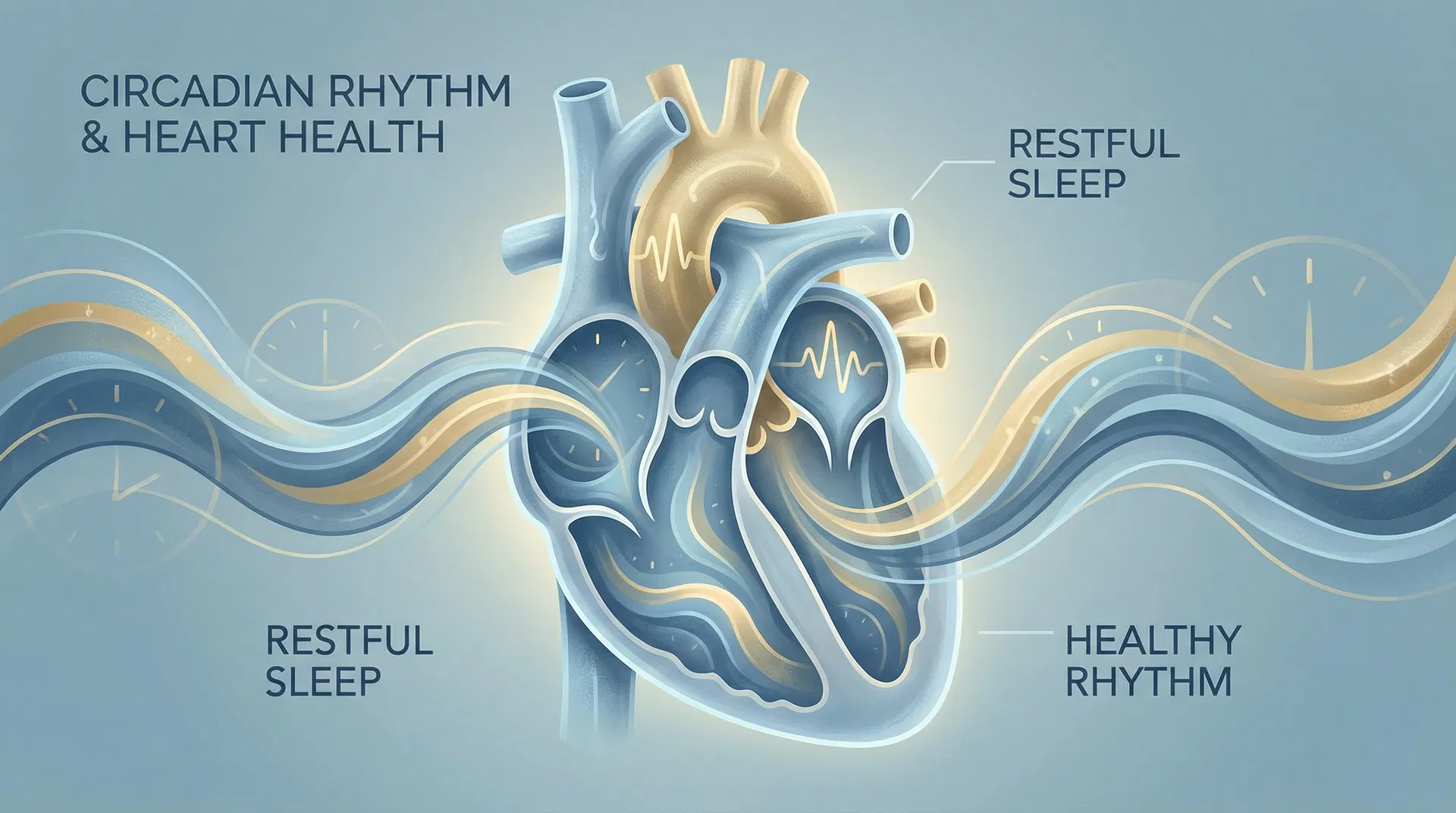
During sleep, your body doesn't simply shut down; it enters a crucial period of repair and restoration. This restorative process is particularly vital for your cardiovascular system. As you drift into deeper stages of sleep, your heart rate and blood pressure naturally decrease, giving your heart a much-needed rest. This nightly dip in blood pressure is essential for maintaining cardiovascular health. When sleep is consistently disrupted or insufficient, these vital restorative processes are compromised, leading to a cascade of negative effects on your heart.
Sleep Duration: A Double-Edged Sword
Both too little and too much sleep can negatively impact cardiac health, creating a U-shaped relationship where optimal sleep duration is key. Most adults require at least 7 hours of sleep per night for optimal health [1]. Consistently sleeping less than 7 hours has been linked to an increased risk of various health problems, including heart attack, asthma, and depression [1]. Short sleep duration can lead to elevated blood pressure, as the body misses out on the natural nightly reduction that occurs during adequate sleep [1]. This sustained higher blood pressure is a significant risk factor for heart disease and stroke [1].
Conversely, some studies suggest that habitually sleeping for excessively long durations (e.g., 9 hours or more) may also be associated with increased cardiovascular risks, including stroke [2, 3]. While the mechanisms behind this are still being investigated, it underscores the importance of finding a balanced and consistent sleep pattern.
The Threat of Sleep Disorders: Hypertension, Heart Disease, and Stroke
Sleep disorders are not merely an inconvenience; they are serious medical conditions that can significantly elevate your risk of cardiovascular disease. The American Heart Association highlights that sleep disorders are linked to a higher risk of cardiovascular diseases, contributing to major risk factors such as obesity, high blood pressure, and diabetes [2].
Sleep Apnea: A Silent Strain on the Heart
Sleep apnea is a particularly insidious sleep disorder where breathing repeatedly stops and starts during sleep. This interruption in breathing leads to drops in blood oxygen levels, which in turn stresses the cardiovascular system. The body reacts to these oxygen drops by increasing blood pressure and heart rate, putting a significant strain on the heart. Over time, untreated sleep apnea can lead to high blood pressure, heart attack, stroke, and irregular heartbeats [1, 2]. It is more prevalent among certain demographics and is often associated with conditions like obesity and heart failure [1].
Insomnia: More Than Just Sleepless Nights
Insomnia, characterized by difficulty falling or staying asleep, affects a substantial portion of the adult population. While often perceived as a benign issue, chronic insomnia has been linked to high blood pressure and heart disease [1]. The constant state of arousal and stress associated with insomnia can lead to an overactive sympathetic nervous system, keeping blood pressure elevated and contributing to cardiovascular strain. Furthermore, poor sleep due to insomnia can foster unhealthy lifestyle choices, such as increased stress levels, reduced physical activity, and poor dietary habits, all of which negatively impact heart health [1].
The Interplay of Sleep, Blood Pressure, and Metabolic Health
The relationship between sleep and cardiac health extends to other critical areas, including blood pressure regulation and metabolic health. During normal sleep, blood pressure decreases, a phenomenon known as “nocturnal dipping.” When sleep is disturbed, this dipping may not occur, leading to sustained higher blood pressure, a condition known as non-dipping hypertension, which is associated with a higher risk of cardiovascular events [4].
Moreover, insufficient sleep can disrupt metabolic processes, contributing to conditions like type 2 diabetes and obesity, both of which are significant risk factors for heart disease [1, 2]. Sleep deprivation can affect hormones that regulate appetite, leading to increased cravings for unhealthy foods and subsequent weight gain. It can also impair insulin sensitivity, making it harder for the body to regulate blood sugar levels [1].
Key Takeaways for a Healthy Heart
To protect your heart, it is crucial to prioritize sleep, aiming for 7-9 hours of quality rest each night. Make sleep a non-negotiable part of your daily routine. Furthermore, if you suspect you have a sleep disorder like sleep apnea or insomnia, address sleep disorders by seeking professional help, as early diagnosis and treatment can significantly reduce your cardiovascular risk. Practice good sleep hygiene by creating a conducive sleep environment, which includes maintaining a consistent sleep schedule, ensuring your bedroom is dark, quiet, and cool, and avoiding caffeine and heavy meals close to bedtime. Finally, combine good sleep with a balanced diet and regular physical activity to create a powerful defense against heart disease, embracing a healthy lifestyle.
Your Heart Deserves the Best Sleep
Understanding the profound link between sleep and cardiac health is the first step towards a healthier, happier life. Your heart works tirelessly for you, and providing it with adequate, restorative sleep is one of the greatest gifts you can give it. Don't let sleep be an afterthought. If you are struggling with sleep issues or have concerns about your cardiac health, Dr. Femi Olulode and the team at Sleep School are here to guide you. We offer expert consultations and personalized strategies to help you achieve the restful sleep your heart deserves.
Ready to protect your heart with better sleep?
Book a consultation with Dr. Femi Olulode at sleepschool.sbs today and take the first step towards a healthier heart and a more vibrant life.
References
[1] CDC. About Sleep and Your Heart Health. https://www.cdc.gov/heart-disease/about/sleep-and-heart-health.html [2] American Heart Association. Sleep Disorders and Heart Health. https://www.heart.org/en/health-topics/sleep-disorders/sleep-and-heart-health [3] Nagai, M., Hoshide, S., & Kario, K. (2010). Sleep Duration as a Risk Factor for Cardiovascular Disease- a Review of the Recent Literature. Current Cardiology Reviews, 6(1), 54–61. https://pmc.ncbi.nlm.nih.gov/articles/PMC2845795/ [4] Pickering, T. G. (2002). The clinical significance of non-dipping blood pressure. Journal of Hypertension, 20(9), 1701–1702.