Introduction to Narcolepsy
Imagine feeling an overwhelming, irresistible urge to sleep, no matter where you are or what you are doing. For people living with narcolepsy, this is a daily reality. Narcolepsy is a chronic neurological disorder that disrupts the brain's ability to regulate sleep-wake cycles. While a typical person might gradually transition through the stages of sleep, someone with narcolepsy can plunge directly into deep, dream-filled sleep almost instantly. This condition goes far beyond simply feeling tired; it is a profound disruption of the body's internal clock that can significantly impact every aspect of a person's life, from their career and education to their relationships and emotional well-being. At the Sleep School, we believe that understanding this complex condition is the first step toward managing it effectively and reclaiming a vibrant, wakeful life.
The Defining Symptoms of Narcolepsy
The hallmark of narcolepsy is excessive daytime sleepiness, a symptom experienced by everyone with the condition. This is not the typical afternoon slump that many people feel after a heavy meal. Instead, it manifests as sudden, uncontrollable "sleep attacks" where an individual might fall asleep mid-conversation, while eating, or even while driving. Even after a full night's rest, the persistent fog of exhaustion remains. This profound sleepiness is often the most debilitating aspect of the disorder, making it incredibly challenging to maintain focus and alertness throughout the day.
Another unique and often startling symptom is cataplexy. Cataplexy involves a sudden, temporary loss of muscle tone, usually triggered by strong emotions such as laughter, surprise, anger, or stress. The severity of a cataplectic attack can range from a subtle drooping of the eyelids or a slight weakness in the knees to a complete physical collapse. Remarkably, during these episodes, the person remains entirely conscious and aware of their surroundings, even if they are unable to move or speak. Not everyone with narcolepsy experiences cataplexy, which leads to the classification of the disorder into two distinct types: Type 1, which includes cataplexy, and Type 2, which does not.
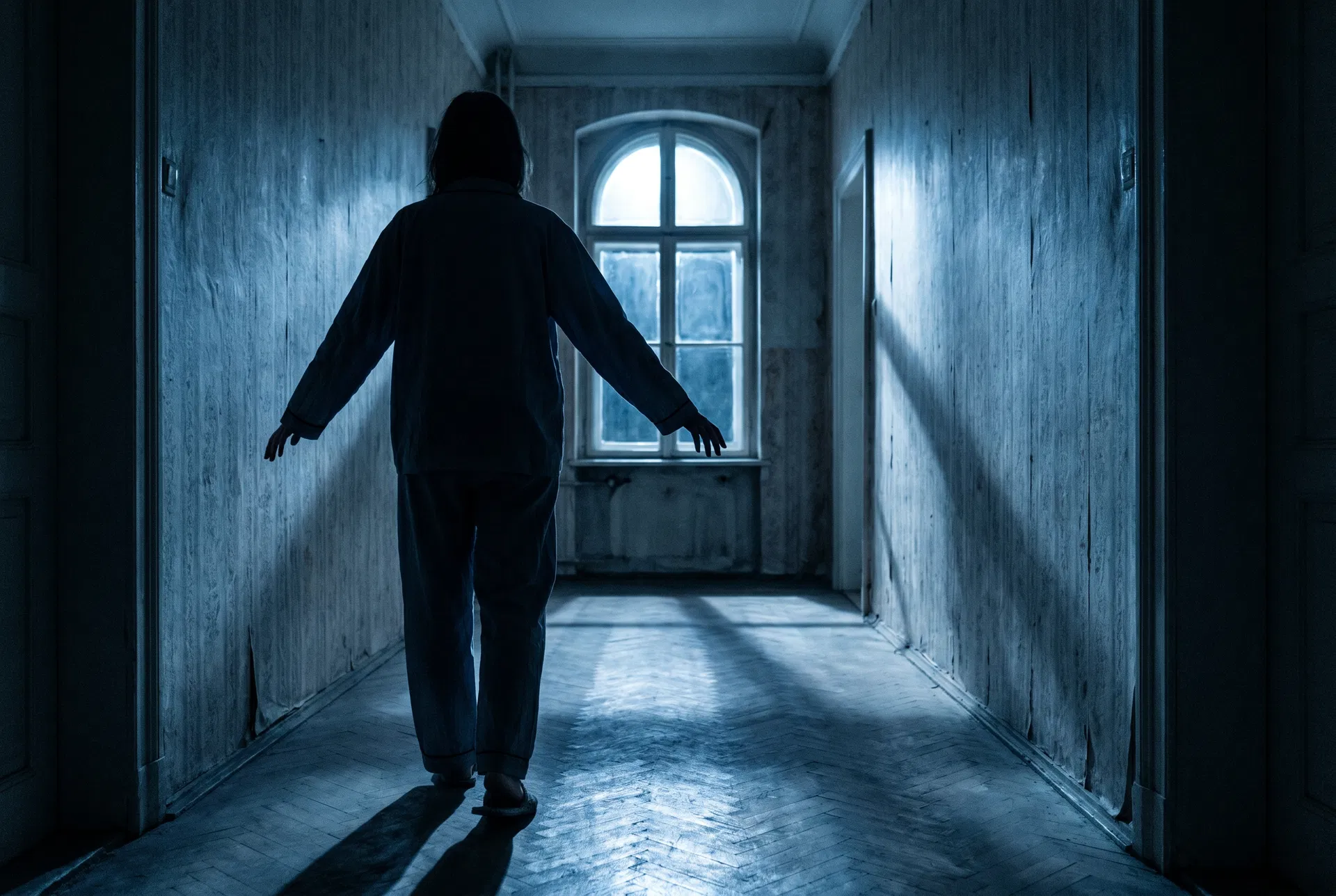
In addition to sleep attacks and cataplexy, individuals with narcolepsy frequently experience vivid, dream-like hallucinations. These hallucinations can occur as the person is falling asleep, known as hypnagogic hallucinations, or as they are waking up, called hypnopompic hallucinations. These sensory experiences can be intensely realistic and sometimes frightening, blurring the line between dreams and reality. Accompanying these hallucinations is often sleep paralysis, a terrifying sensation of being temporarily unable to move or speak while transitioning between sleep and wakefulness. This paralysis mimics the natural muscle atonia that occurs during rapid eye movement sleep, but it intrudes upon the waking state.
Uncovering the Causes
The exact cause of narcolepsy remains a subject of ongoing medical research, but significant strides have been made in understanding its origins, particularly for Type 1 narcolepsy. Scientists have discovered that people with Type 1 narcolepsy have remarkably low levels of a brain chemical called hypocretin, also known as orexin. Hypocretin is a neurotransmitter that plays a crucial role in promoting wakefulness and regulating rapid eye movement sleep. The loss of the brain cells that produce hypocretin is believed to be the primary driver of the disorder.
Current evidence strongly suggests that this loss of hypocretin-producing cells is the result of an autoimmune reaction. In an autoimmune disorder, the body's immune system mistakenly identifies its own healthy cells as foreign invaders and attacks them. Researchers believe that a combination of genetic predisposition and environmental triggers, such as certain viral or bacterial infections, may prompt the immune system to target and destroy these specific neurons in the hypothalamus. While genetics play a role, narcolepsy is rarely inherited directly from parents; most cases are sporadic, meaning they occur in individuals with no family history of the condition.
The causes of Type 2 narcolepsy are less clearly understood. Individuals with Type 2 typically have normal levels of hypocretin, and the exact mechanisms behind their excessive daytime sleepiness remain elusive. In rare instances, narcolepsy can also develop secondary to other medical conditions, such as traumatic brain injuries, tumors, or diseases that affect the regions of the brain responsible for regulating sleep and wakefulness.
Navigating the Diagnosis
Diagnosing narcolepsy can be a complex and lengthy process. Because its symptoms, such as fatigue and poor concentration, overlap with many other conditions like depression, sleep apnea, or chronic fatigue syndrome, narcolepsy is frequently misdiagnosed or overlooked for years. A comprehensive evaluation by a sleep specialist is essential for an accurate diagnosis. The process typically begins with a detailed medical history and a thorough discussion of the patient's sleep habits and symptoms.
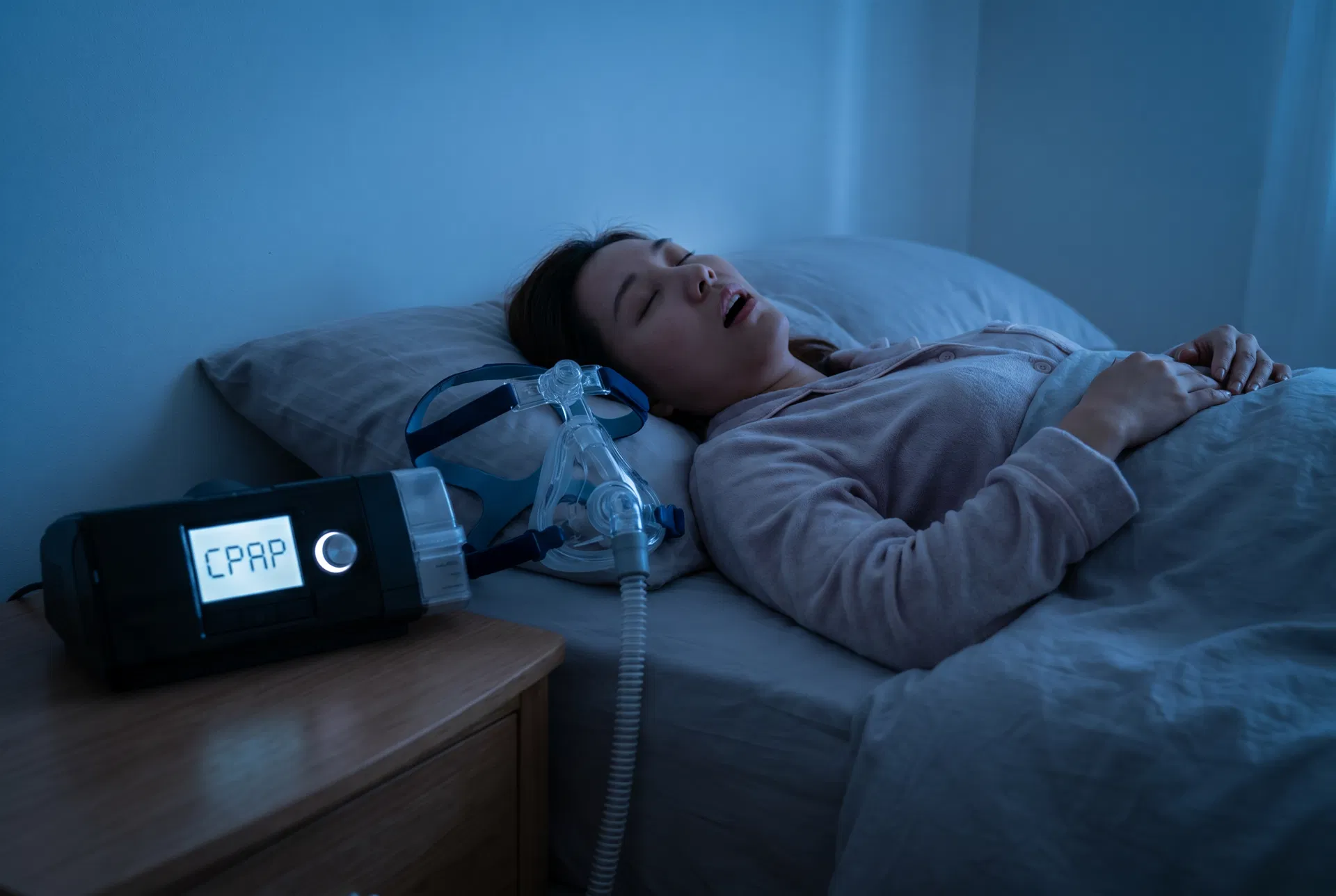
To confirm the diagnosis, sleep specialists rely on specialized overnight and daytime sleep studies. The polysomnogram is an overnight test conducted in a sleep clinic that monitors brain waves, heart rate, breathing, and eye movements. This test helps rule out other sleep disorders, such as sleep apnea, and can reveal abnormalities in the timing of rapid eye movement sleep. Following the overnight study, a Multiple Sleep Latency Test is usually performed the next day. This test measures how quickly a person falls asleep during a series of scheduled daytime naps and how rapidly they enter rapid eye movement sleep. Falling asleep quickly and entering rapid eye movement sleep within minutes are strong indicators of narcolepsy.
In some cases, particularly when diagnosing Type 1 narcolepsy, a doctor may also recommend a lumbar puncture, or spinal tap, to measure the levels of hypocretin in the cerebrospinal fluid. Extremely low levels of hypocretin provide a definitive diagnosis for Type 1 narcolepsy, even if cataplexy has not yet developed.
Exploring Treatment Options
While there is currently no cure for narcolepsy, a combination of medical treatments and lifestyle modifications can help manage the symptoms and significantly improve a person's quality of life. Treatment plans are highly individualized, tailored to address the specific symptoms and needs of each patient. Medications are often a cornerstone of managing narcolepsy. Stimulants are frequently prescribed to combat excessive daytime sleepiness and help individuals stay awake and alert during the day. For those who experience cataplexy, antidepressants or other specialized medications may be used to suppress rapid eye movement sleep and reduce the frequency and severity of muscle weakness episodes.
Beyond medication, behavioral and lifestyle adjustments play a vital role in managing the disorder. Establishing a strict and consistent sleep schedule, going to bed and waking up at the same time every day, can help regulate the body's internal clock. Many individuals with narcolepsy find that taking short, scheduled naps throughout the day can be incredibly refreshing and help reduce the likelihood of unexpected sleep attacks. Good sleep hygiene practices, such as creating a relaxing bedtime routine, keeping the bedroom cool and dark, and avoiding caffeine and alcohol before bed, are also crucial for improving the quality of nighttime sleep.
Living with narcolepsy requires ongoing management and support. It is important for individuals to work closely with their healthcare providers to monitor their symptoms and adjust their treatment plans as needed. Education and open communication with family, friends, and employers can also foster a supportive environment and help others understand the unique challenges associated with the condition.
Key Takeaways
Narcolepsy is a complex neurological disorder characterized by excessive daytime sleepiness, sudden sleep attacks, and, in some cases, cataplexy, hallucinations, and sleep paralysis. It is primarily caused by a deficiency in the brain chemical hypocretin, likely due to an autoimmune response. Accurate diagnosis requires specialized sleep studies, and while there is no cure, symptoms can be effectively managed through a combination of medications and strategic lifestyle changes, including scheduled naps and consistent sleep routines.
Take the Next Step Toward Better Sleep
If you or a loved one are experiencing overwhelming daytime sleepiness, sudden muscle weakness, or other symptoms of narcolepsy, you do not have to navigate this journey alone. Proper diagnosis and a personalized treatment plan can make a world of difference in your daily life. Dr. Femi Olulode and the dedicated team at the Sleep School are here to provide expert, compassionate care. Do not let sleep disorders control your life any longer. Book a consultation with us today at sleepschool.sbs and take the first step toward reclaiming your wakefulness and vitality.