Somnambulism (Sleepwalking): Understanding the Nighttime Wanderer
Introduction
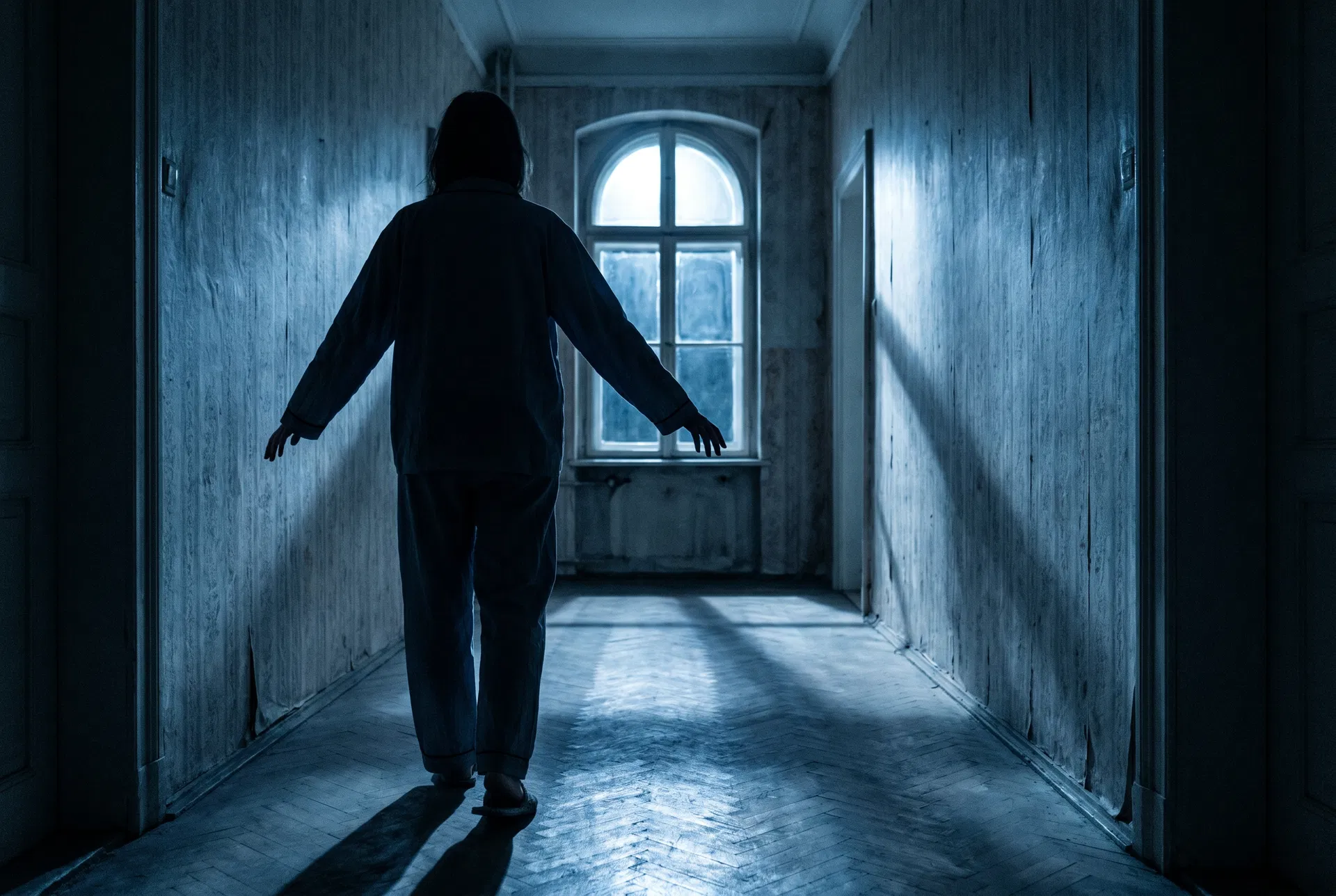
Imagine waking up in an unexpected place in your home, or perhaps a loved one recounts finding you performing an activity while seemingly asleep. This intriguing and sometimes unsettling phenomenon is known as somnambulism, more commonly referred to as sleepwalking. Far from being a simple dream acted out, sleepwalking is a complex sleep disorder that involves a series of behaviors ranging from sitting up in bed to performing intricate tasks, all while the individual remains in a state of altered consciousness. It's a condition that can be perplexing for those who experience it and concerning for their families. In this article, we will delve into the world of sleepwalking, exploring its causes, identifying common triggers, understanding the potential safety risks, and providing guidance on how to respond if you encounter someone sleepwalking. We will also discuss when it is appropriate to seek professional help for this nocturnal mystery.
What is Somnambulism?
Somnambulism is classified as a parasomnia, a category of sleep disorders that involve undesirable physical events or experiences that occur during entry into sleep, within sleep, or during arousal from sleep. Specifically, sleepwalking occurs during the deepest stage of non-rapid eye movement (NREM) sleep, typically in the first third of the night. During this stage, the brain is in a state where some parts are awake enough to control motor functions, while others remain deeply asleep, leading to a unique blend of awareness and unconsciousness. An individual who is sleepwalking may have their eyes open, but they often appear glazed over and unresponsive. They might mumble or even engage in conversations, though these interactions are usually nonsensical or difficult to understand. Upon waking, either during the episode or the next morning, the sleepwalker typically has no memory of the event, which can add to the confusion and distress surrounding the condition.
Causes and Triggers of Sleepwalking
The exact cause of sleepwalking is not fully understood, but it is believed to involve a combination of genetic predisposition and environmental factors. Research suggests that sleepwalking can run in families, indicating a hereditary component. If one parent was a sleepwalker, there's a higher chance their child might also experience it, and the likelihood increases significantly if both parents were affected. Beyond genetics, several factors can act as triggers, initiating a sleepwalking episode.
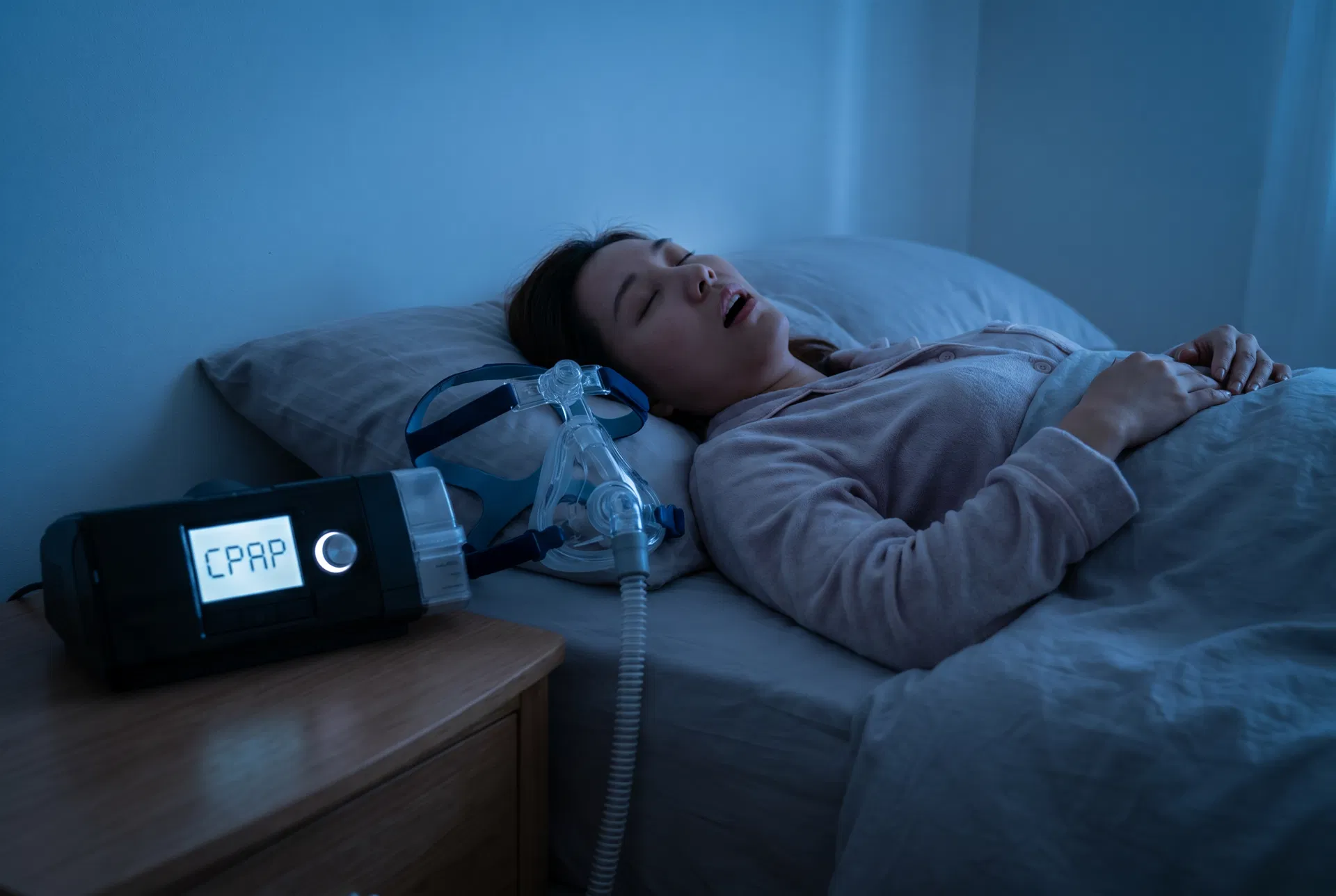
Common causes and triggers include: Sleep deprivation is one of the most significant triggers, as an overtired brain is more prone to these partial arousal states. High levels of emotional or psychological stress and anxiety can disrupt sleep patterns and increase the likelihood of sleepwalking. Elevated body temperature or general illness, particularly in children, can sometimes trigger episodes. Certain medications, such as sedatives, hypnotics, neuroleptics, and antihistamines, have been linked to sleepwalking as a side effect. Drinking alcohol, especially in excess, can interfere with sleep architecture and induce sleepwalking. Disruptions to the body's natural sleep-wake cycle, such as shift work or jet lag, can contribute to episodes. Other sleep disorders that cause fragmented sleep, like Restless Leg Syndrome (RLS) and Sleep Apnea, can also increase the risk of sleepwalking. Finally, a full bladder can cause arousal from deep sleep, potentially leading to a sleepwalking episode.
Understanding these potential causes and triggers is the first step towards managing and potentially reducing the frequency of sleepwalking episodes.
Safety Risks Associated with Sleepwalking
While often portrayed comically in popular culture, sleepwalking carries genuine safety risks for the individual involved. Because sleepwalkers are not fully conscious, their judgment and coordination are impaired, making them vulnerable to accidents and injuries. The risks can range from minor bumps and bruises to more severe harm.
Potential safety risks include: Falls, such as tripping over objects, falling down stairs, or falling out of windows, are significant concerns. Collisions with furniture, walls, or other obstacles can lead to injuries. In some severe cases, sleepwalkers may leave their home, putting them at risk of exposure to traffic, dangerous environments, or even assault. Accidental self-injury can occur if individuals use sharp objects, operate machinery, or engage in other potentially dangerous activities while sleepwalking. There have also been rare instances of sleepwalkers ingesting non-food items or toxic substances.
It is crucial for individuals who sleepwalk, and their families, to be aware of these risks and take proactive measures to ensure a safe sleeping environment.
What to Do If Someone is Sleepwalking
Witnessing someone sleepwalking can be alarming, and the immediate reaction might be to wake them up. However, this is generally not recommended. Waking a sleepwalker abruptly can cause confusion, disorientation, fear, or even aggression, as they may be startled and not understand their surroundings. The safest approach is to gently guide them back to bed.
Here's what you should do: First, stay calm, as your calm demeanor can help prevent startling the sleepwalker. Second, gently guide them: without shouting or sudden movements, gently take their arm and guide them back to their bed. Speak in a soft, reassuring voice if you need to. Third, do not wake them abruptly; avoid shaking them, yelling, or using other methods that could cause a sudden awakening. Fourth, clear the path: if sleepwalking is a recurring issue, ensure the environment is safe by removing obstacles, locking windows and doors, and securing dangerous items. Finally, observe and protect: stay with the sleepwalker until they are safely back in bed and have settled down, ensuring they do not injure themselves during the episode.
Remember, the primary goal is to ensure their safety and return them to bed without causing distress.
When to Seek Professional Help
While occasional sleepwalking, especially in children, may not always warrant medical intervention, there are specific circumstances when seeking professional help is highly advisable. Dr. Femi Olulode at Sleep School is well-equipped to provide expert guidance and support for individuals experiencing sleep disorders.
Consider seeking help if: Episodes are frequent or severe, meaning sleepwalking occurs regularly or involves complex or dangerous behaviors. There's a risk of injury, either to the sleepwalker themselves or to others, or if there's a high potential for harm. It causes significant distress, such as anxiety, embarrassment, or affects the individual's quality of life or their family's peace of mind. It's a new onset in adulthood; while common in children, new onset sleepwalking in adults can sometimes be linked to underlying medical conditions or medication side effects that require investigation. Lastly, if there are daytime consequences, such as excessive daytime sleepiness, fatigue, or impaired functioning due to disrupted sleep.
A consultation with a sleep specialist can help identify underlying causes, rule out other sleep disorders, and develop an appropriate management plan, which may include behavioral therapies, medication adjustments, or addressing other health concerns.
Key Takeaways
Somnambulism, or sleepwalking, is a parasomnia occurring during deep NREM sleep. It involves partial arousal where motor functions are active while consciousness remains altered. Causes include genetic predisposition, sleep deprivation, stress, illness, and certain medications. Safety is paramount; sleepwalkers are at risk of falls, collisions, and other injuries. If someone is sleepwalking, gently guide them back to bed; avoid abrupt awakening. Seek professional help if episodes are frequent, dangerous, distressing, or new in adulthood.
Book a Consultation at Sleep School
Understanding and managing sleepwalking can significantly improve quality of life and ensure safety. If you or a loved one are experiencing sleepwalking episodes and are concerned about their frequency, severity, or potential risks, do not hesitate to seek expert advice. Dr. Femi Olulode and the team at Sleep School are dedicated to providing comprehensive care and personalized solutions for a wide range of sleep disorders. Take the first step towards better sleep and peace of mind by booking a consultation today at sleepschool.sbs. Your journey to restful and safe nights begins here.